Dubai Crypto Taxes: Are Digital Assets Exempt from Taxation?
Dubai Crypto Taxes: Are Digital Assets Exempt from Taxation?
In the UAE, cryptocurrency is being used more than ever for everything from real estate purchases and travel reservations to investing in cutting-edge companies. And it’s not just people. The government and major corporations are working to establish Dubai as a global center for digital assets.
Dubai is obviously committed to being a leader in this field, as evidenced by the fact that designated areas like the DMCC and DIFC welcome cryptocurrency companies and have a unique regulator (VARA) to oversee virtual assets. However, despite all of this expansion and backing, a significant query remains: Dubai Crypto Tax. Are there any unstated terms that firms and investors should be aware of, or is cryptocurrency truly tax-free in this country?
An Overview of Dubai's Crypto Scene
It is making great efforts to establish a secure and encouraging environment for cryptocurrency investors, startups, and multinational corporations. Dubai has made it simpler to conduct business legally and with confidence, regardless of whether you’re a person wishing to trade Bitcoin or a company preparing to introduce a blockchain-based platform.
Is cryptocurrency allowed in Dubai?
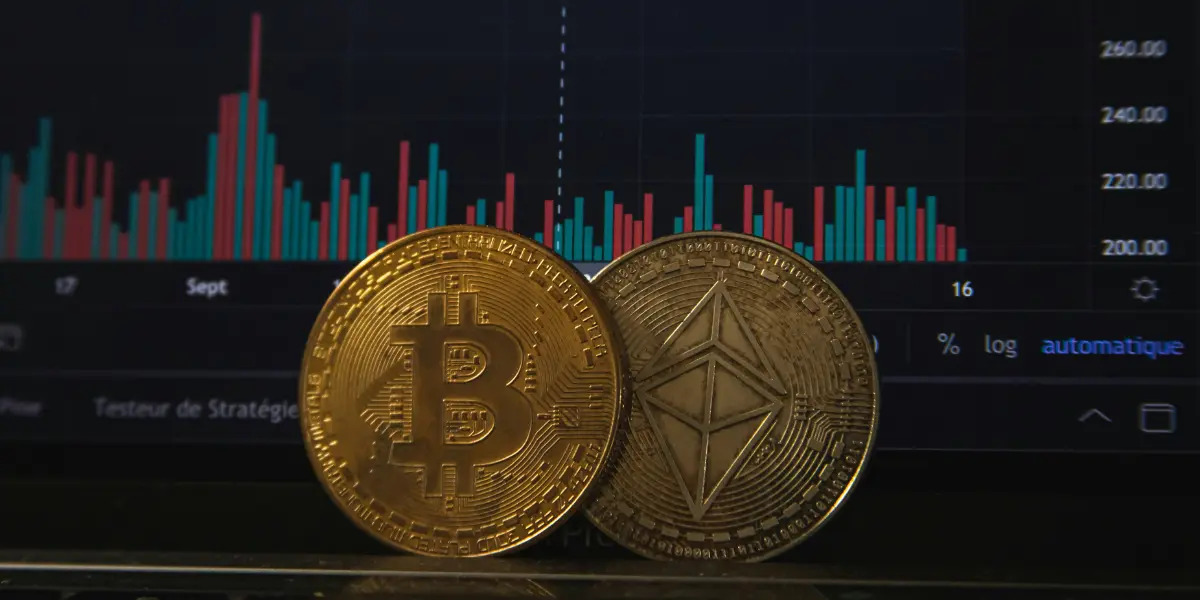
In Dubai, cryptocurrency is indeed legal. Cryptocurrencies like Bitcoin and Ethereum are yours to own, purchase, sell, and exchange. Crypto mining is also permitted, but it needs to be done legally and with the appropriate authorization.
The Function of VARA
An essential part of this system is the Virtual Assets Regulatory Authority, or VARA. In 2022, VARA was established as the first independent regulator in the world specifically designed for virtual assets. It manages operations, licensing, and compliance for companies involved in cryptocurrency in Dubai in addition to the financial free zones. VARA’s main goal is to protect investors while encouraging innovation in the virtual asset space.
Does Dubai Have No Taxes on Crypto?
In Dubai, individual bitcoin profits are not subject to capital gains tax or personal income tax. Therefore, if you buy, sell, or exchange cryptocurrencies for personal use, your earnings are totally tax-free.
What It Means for Traders of Cryptocurrencies
If you are merely keeping or trading bitcoin for personal investment purposes, you are not required to pay taxes to the UAE. You will not be required to file or pay taxes on those gains. If you live in Dubai but are a tax resident elsewhere, you could still have to report these gains to the tax authority in your home country, like the IRS.
In Dubai, UAE, when does cryptocurrency become taxable?
Although individual cryptocurrency investors in Dubai are exempt from paying taxes on their earnings, there are several circumstances in which cryptocurrency becomes taxable, particularly when it is connected to commercial activities. When does Dubai’s crypto tax apply?
1. When Using Crypto to Run a Business
If you employ cryptocurrency in your business operations and your annual net profit exceeds AED 375,000, you can be liable to pay 9% corporate tax.
- Cryptocurrency Business Activities That Are Taxable Include:
- Managing a cryptocurrency exchange
- Running a mining company
- Providing a service for staking
- Providing consulting or trading services for cryptocurrencies
- Accepting cryptocurrency payments for products or services as a legally recognized company
- Making consistent business profits from active trading
Because bitcoin revenues are treated as business income rather than personal investments in these circumstances, they are governed by the UAE business Tax Law.
2. If You're a Cryptocurrency Freelance Trader Behaving Like an Organization
Authorities may consider regular and systematic cryptocurrency trading to be self-employment or commercial activity, even if you are not incorporated. If so:
- Once you formalize or surpass thresholds, profits may be subject to corporate taxation;
- you may also need to register a trading license.
3. If you're in a free zone but don't qualify
Certain Dubai Free Zones, including the DMCC, DIFC, and DWTC, only allow tax breaks for specific types of enterprises and activities. Even if your cryptocurrency activity isn’t eligible, you could still be held accountable for:
• The corporate tax
• VAT (5%) on services that appl.
4. Personal vs. Commercial Mining
Personal mining, often known as hobby mining, is exempt from taxation. But since mining is regarded as a business activity, it is liable to corporate tax and, if done commercially, VAT.
5. Digital Asset Services & NFTs
Individual NFT purchases and sales are tax-free. However, if a studio or business mints and sells NFTs, such revenue is considered corporate profit and could be subject to VAT and the 9% rule of taxation.
To put it briefly, people who trade, hold, mine, or gather NFTs for their own use are exempt from corporate tax and VAT. Depending on the provider, you may be subject to corporation tax and maybe VAT (5%), after your cryptocurrency activity qualifies as a business, particularly if your revenues exceed AED 375,000.
Are There Any Crypto-Friendly Zones in Dubai?
Indeed, there are a number of crypto-friendly free zones in Dubai that serve investors, startups, and businesses involved in virtual assets.
1. Businesses at the Crypto Center at the Dubai Multi Commodities Centre (DMCC)
To encourage blockchain and cryptocurrency innovation, DMCC established the Crypto Center. The freezone provides licenses for blockchain development, cryptocurrency trading, and other activities. Collaborate with multinational companies such as Binance to improve infrastructure. 0% business tax and, if eligible under UAE Free Zone regulations, 0% personal income tax.
2. The International Free Zone Authority, or IFZA
Growing in popularity as a crypto-friendly area with adaptable business settings is IFZA. It helps technological companies and blockchain-based service providers. affordable and appropriate for consultants working in the field of digital assets or smaller enterprises.
3. Dubai World Trade Centre (DWTC)
DWTC was named a special crypto zone in 2021 with an emphasis on virtual assets. In order to grant licenses for exchanges, custodians, and blockchain platforms, the freezone collaborates closely with VARA. For large-scale exchanges and token initiatives looking for legitimacy and compliance, it is perfect.
4. The DIFC, or Dubai International Financial Center
One of the top financial free zones, the DIFC has its own distinct legal system, home of blockchain and FinTech businesses under DFSA (Dubai Financial Services Authority) regulation. Ideal for companies that provide financial goods, tokenized assets, and crypto investing services.
Why Do People Who Work in Crypto Move to Dubai?
For good reason, blockchain companies, traders, entrepreneurs, and cryptocurrency aficionados from all over the world choose Dubai. This is the reason:
1. No personal income tax
Individuals’ income and capital gains, including cryptocurrency earnings, are not subject to taxation in Dubai. This implies that your profits from trading or investing in cryptocurrency are completely tax-free.
2. Regulations That Are Crypto-Friendly
Dubai was among the first localities to create the Virtual Assets Regulatory Authority (VARA), a specialized cryptocurrency regulator. This provides crypto companies with a clear, lawful operating environment with appropriate licenses and compliance guidelines.
3. Avoid Regulatory Repressions
Governments are strengthening crypto regulations or even outright prohibiting specific operations in the US, UK, India, and other countries. Crypto is viewed as a technological opportunity rather than a threat in Dubai’s secure and stable environment.
4. Inexpensive in Relation to Other Crypto Hubs
It can be quite costly to live and operate a business in places like New York, Singapore, or London. Dubai offers comparatively cheaper operating costs for starting a business, as well as zero income tax and 0% capital gains tax.
5. High Adoption of Digital
Crypto is being embraced, not simply tolerated. Crypto can be used to pay for services, book flights, and purchase real estate. Infrastructure for Web3 payments, wallets, and DeFi use cases is also expanding.
Want to Avoid Paying Taxes? IBR Group UAE Is Able to Help
Is cryptocurrency truly tax-free in Dubai, then? Yes, it is for the most part for individual investors. If your trading or investing profits are for personal use, you are exempt from paying taxes on them. However, certain taxes, such as corporate tax or VAT, may be applicable if you are operating a cryptocurrency business or providing associated services.
Given Dubai’s rise as a worldwide cryptocurrency hub, it’s critical to be aware of the regulations and exercise caution. Being in tax difficulties because you were unaware of the laws is the last thing you want.